Gen Z drives call for democratic reform in Nepal
Nepal’s Gen Z pushes for change in a struggling democracy
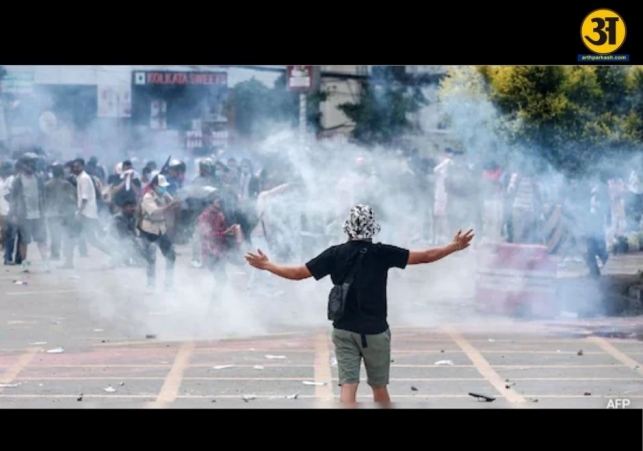
On September 8, 2025, Kathmandu’s streets erupted as thousands of young Nepalis protested against corruption and a social media ban. They stormed government buildings, including parliament, and clashed with police. At least 22 protesters were killed, and the unrest spread into a second day, with curfews ignored and fires set at government offices and homes of political leaders.
This movement, led by Nepal’s Gen Z, is about more than just social media access. Young people are demanding a government that is transparent, accountable, and responsive. The protests highlight deep problems in Nepal’s democracy, showing that the system has failed to meet citizens’ expectations. While the immediate trigger was the social media ban on September 4, the anger is rooted in years of corruption, unemployment, and broken promises.
Nepal’s democracy, established after the 2006 People’s Movement and the 2008 abolition of the monarchy, promised inclusion and fairness. However, today it suffers from weak institutions and unchecked elite power. For example, the 2017 Airbus deal cost Nepal Airlines $10.4 million due to corruption, yet those responsible were rarely punished. Youth unemployment stands at around 20%, forcing thousands to work abroad while political leaders’ families display wealth on social media. These inequalities have fueled widespread frustration.
Digital platforms have amplified this anger. Hashtags like #NepoKid and #NepoBabies went viral, showing the contrast between ordinary lives and the lavish lifestyles of leaders’ children. The Gen Z movement in Nepal mirrors youth-led uprisings across South Asia, such as in Sri Lanka (2022) and Bangladesh (2024), where economic distress and elite impunity sparked mass protests. Social media is now a powerful tool for raising awareness and organizing collective action among young people.
Solutions for a stronger democracy
The resignation of Prime Minister KP Sharma Oli on September 9 and the military deployment in Kathmandu mark a dramatic moment. While these moves temporarily reduce tensions, they do not address the underlying issues. Real change in Nepal requires structural reforms, not just leadership changes.
Creating an independent and effective anti-corruption body is crucial. The current Commission for the Investigation of Abuse of Authority lacks authority and effectiveness. Transparent governance is also necessary: open data on government spending and public trials for corruption cases would strengthen accountability.
Economic opportunity is another priority. Investments in education, local industries, and job creation can reduce youth unemployment and prevent a brain drain. Nepal’s young people, equipped with digital skills and global awareness, could contribute to policymaking through a national youth council with real power, rather than symbolic roles.
ALSO READ: Plant-based diet linked to lower risk of heart attack and cancer
The social media ban, initially justified by the government as a measure to curb misinformation, failed to address these deeper issues. Restricting online access instead triggered widespread anger, as it was seen as limiting free speech. Police violence and curfews further intensified the conflict, showing that repressive measures cannot solve systemic problems.
Nepal’s Gen Z protests represent a wake-up call. Young citizens are demanding a democracy that works for everyone, not just the political elite. Their movement is a test for the nation: to rebuild trust, improve governance, and create a system that is inclusive, transparent, and accountable. Dialogue between political leaders, youth representatives, and civil society is essential to find peaceful solutions and ensure long-term stability.
This movement shows that the future of democracy depends on empowering citizens, especially the youth, and addressing structural inequalities. Nepal’s Gen Z is not just protesting—they are redefining what democracy should look like. By listening to their demands and implementing meaningful reforms, Nepal can strengthen its democracy and create a fairer society for generations to come.
Related News